
Corridor read
Incredible Bird Truths to Share with Others
Birds are a constant presence in our lives, whether they are fluttering in our gardens or soaring over the world’s most remote peaks. From casual observers to dedicated ornithologists, there is always more to discover about these feathered marvels. Here are ten surprising and entertaining insights into the avian world that are sure to spark a conversation.
Freya Mitchell
Temple note
Layer tip
The full corridor digest continues below along soft meter ticks.
Path
Temple Corridor
Birds are a constant presence in our lives, whether they are fluttering in our gardens or soaring over the world’s most remote peaks. From casual observers to dedicated ornithologists, there is always more to discover about these feathered marvels. Here are ten surprising and entertaining insights into the avian world that are sure to spark a conversation.
Ancient Origins and Surprising Intelligence
It is a scientific reality that birds are living dinosaurs. Evolving from small, feathered theropods, they represent the sole surviving branch of this ancient lineage. The next time you observe a common chicken, you are actually looking at a distant relative of the formidable Tyrannosaurus rex.
Beyond their history, many birds display remarkable cognitive abilities. For instance, pigeons are among the few animals capable of recognizing their own reflection in a mirror. They have also demonstrated the ability to distinguish between various art styles and can even be trained to identify signs of illness in medical imaging, proving that "bird brain" is far from an insult.
Physical Marvels and Dietary Quirks
The diversity in avian size and color is equally stunning. The Bee Hummingbird, native to Cuba, holds the title of the world's smallest bird; it is roughly the size of a large insect and weighs less than a single penny. Conversely, the vibrant pink hue of the flamingo is not a result of genetics but of diet. These birds are born gray and turn pink by consuming shrimp and algae packed with carotenoid pigments. Without these specific nutrients, they can eventually lose their color.
Owls possess a different kind of physical specialty. Because their eyes are elongated and fixed into bone sockets, they cannot move them at all. To compensate, owls can rotate their necks up to 270 degrees. This incredible flexibility is supported by a specialized vascular system that prevents blood flow from being cut off during such extreme movements.
Records in Flight and Migration
Birds also hold impressive records in the air. The Arctic Tern is the ultimate long-distance traveler, migrating from the Arctic to the Antarctic and back every year. This journey covers more than 50,000 miles annually, which is equivalent to nearly two full trips around the globe. On the opposite end of the spectrum, the American Woodcock is the slowest flyer on record. During its mating displays, it stays airborne at a mere five miles per hour.
Bizarre Behaviors and Survival Tactics
In South America, the Hoatzin—often called the "stinkbird"—possesses a digestive tract more common in cattle than birds. It ferments leaves in a specialized stomach chamber, a process that creates a very distinct and pungent odor. Meanwhile, Australia's Lyrebird has become a master of mimicry. These birds can perfectly imitate almost any sound they encounter, ranging from the calls of other animals to mechanical noises like camera shutters, car alarms, and even chainsaws.
Finally, some birds use theater to survive. The Killdeer is famous for its "broken-wing" performance. If a predator nears its nest, the bird will flop around on the ground, pretending to be injured to lead the threat away. Once the predator is a safe distance from the eggs, the Killdeer simply flies away, completely unharmed. These behaviors represent just a fraction of the fascinating world of birds, illustrating why they continue to captivate people across the globe.
More along this corridor
MID · en

The Top 10 Best Golf Courses in the World Every Golfer Should Play
Golf’s most exceptional courses are more than just playing fields—they are living testaments to the sport’s heritage, blending natural beauty with meticulous design. From windswept coastal links in Scotland to immaculately manicured fairways in the United States, these courses offer unforgettable experiences that combine thrilling challenges with awe-inspiring scenery. Here are the top 10 destinations that define golfing excellence.
MID · en

What is a Coral Reef?
Coral reefs occupy only about 1% of the ocean floor, yet they provide a home for roughly a quarter of all marine species, which is why they are often called the “rainforests of the sea.” Beyond supporting incredible biodiversity, these ecosystems are essential for coastal communities around the world. They help reduce shoreline erosion, protect coastal areas from storm damage, and contribute billions of dollars each year through tourism, fisheries, and other economic activities.
MID · en
Top 3 Traditional Swiss Bread Rolls
Switzerland boasts a rich baking heritage, particularly when it comes to small, artisanal buns. While larger loaves are common, these individual bread rolls hold a special place in Swiss culinary history, often originating from specific cantons and dating back centuries. From crisp, honey-infused crusts to butter-enriched festive doughs, here are three of the most iconic bread rolls found across the Swiss landscape.
MID · en

Essentials of Spacewalk Spacesuits
Spacesuits transcend mere apparel for astronauts; they are intricate systems tailored to diverse mission needs. The realm of space exploration employs two distinct types of spacesuits, each serving a unique purpose. While one is worn within a spacecraft during launch, ascent, re-entry, and landing, the focus here is on the spacesuit crafted explicitly for spacewalks, often termed an Extra-Vehicular Activity (EVA) suit by NASA.
MID · en

Ultimate Coffee Drinks Guide
Ever since I tasted my first cappuccino, I’ve been fascinated by coffee culture. Stepping into a café always feels like an exploration—an opportunity to try new flavors and uncover creative drink combinations that never fail to surprise me.
MID · en
Top 10 Health Advantages of Prunes and Prune Juice
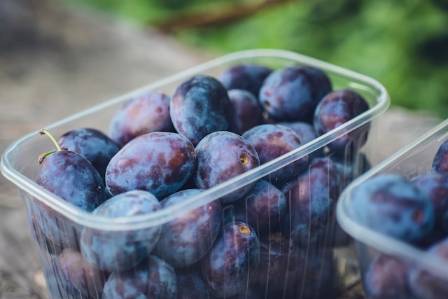
Prunes, commonly recognized as dried plums, are widely appreciated for their nutritional value and natural health benefits. Here’s a closer look at why these dried fruits deserve a place in your diet. What Exactly Are Prunes? Prunes are plums that have been dried after harvesting. They are sold in various forms — semi-dried, soaked in syrup or juice, or processed into juice. Despite their humble appearance, they pack a powerful nutritional punch.