Corridor read
How to Draw a Raccoon
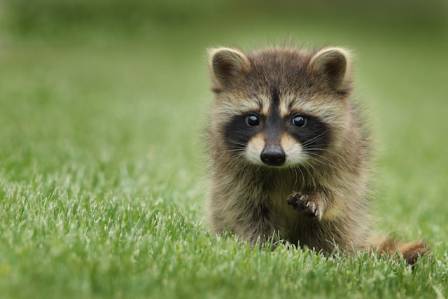
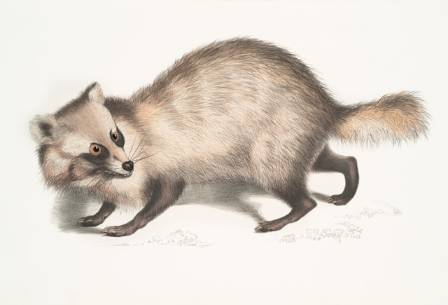
Raccoons are charming, playful creatures with their signature masked faces and bushy tails. They share some similarities with foxes — check out our fox drawing guide if you love woodland animals! If you’ve ever wanted to sketch a raccoon, you’re in the right place. This tutorial will guide you through easy steps to draw an adorable raccoon. Grab your pencil, and let’s begin!
Morgan Chase
Temple note
Layer tip
The full corridor digest continues below along soft meter ticks.
Path
Temple Corridor
Raccoons are charming, playful creatures with their signature masked faces and bushy tails. They share some similarities with foxes — check out our fox drawing guide if you love woodland animals! If you’ve ever wanted to sketch a raccoon, you’re in the right place. This tutorial will guide you through easy steps to draw an adorable raccoon. Grab your pencil, and let’s begin!
Why Draw a Raccoon?
Raccoons make excellent drawing subjects because of their lively personality and unique appearance. Sketching them is not only fun but also helps improve focus, patience, and overall art skills. This tutorial works for both beginners and more experienced artists. If you enjoy forest creatures, you might also like our tutorial on drawing a bear.
What You’ll Need
Paper
Pencil for sketching and guidelines
Eraser
Black pen or marker for outlining
Colored pencils or markers for coloring
Printable raccoon guide (available via email subscription)
Recommended Supplies:
Crayola 140-Piece Coloring Set
24-Piece Crayon Set
A4 Printer Paper
Crayola Colored Pencils
HP Home Printer with Instant Ink
Time Required: About 15 minutes
Step-by-Step Raccoon Drawing
Step 1 – Draw the Head
Begin with a rounded shape for the raccoon’s head. Make the lower part slightly wider to create a cute, chubby appearance. Think of a soft oval with gentle bumps for the cheeks.
Step 2 – Add the Body and Front Legs
Draw two short lines downward from the head, and attach small ovals for the front paws. Keep them close together for balance. The body should be small, rounded, and slightly narrower than the head.
Step 3 – Draw the Hind Legs and Back
From the back of the head, sketch a gently curved line for the body. Draw the hind legs slightly larger than the front legs and place them a little apart to give the raccoon a stable, natural stance.
Step 4 – Sketch the Tail
Raccoons are known for their fluffy, banded tails. Draw a long, curved tail that extends behind the body. Add slight waves to make it look soft and fluffy. The tail should be big compared to the raccoon’s body.
Step 5 – Outline the Face and Ears
Add two pointy ears on top of the head. Then draw the raccoon’s signature facial mask – a rounded shape covering the eyes. This mask gives your raccoon its mischievous personality. The ears should have a slight curve at the tips.
Step 6 – Add Stripes to the Tail
Raccoon tails have stripes, so add curved lines along the tail. Make sure the stripes follow the tail’s curve for a natural look.
Step 7 – Draw the Eyes and Nose
Inside the mask, draw two small oval eyes. Place a tiny rounded nose in the center just below the eyes. Add small white highlights in the eyes for a sparkling effect.
Step 8 – Add Facial Details and Expression
Give your raccoon some personality! Draw small eyebrows above the eyes and a smile, curious expression, or surprised look on the face. You can also add whiskers or little blush marks to make it extra cute.
Step 9 – Color Your Raccoon
Bring your drawing to life with color! Use shades of gray or brown for the body, black for the mask and tail stripes, and soft pink for the nose and inside the ears. You can also experiment with shading to add depth and texture.
With these steps, you’ll have a charming raccoon drawing that’s perfect for displaying or sharing. Have fun experimenting with expressions, colors, and poses — every raccoon you draw can have its own personality!
More along this corridor
MID · en
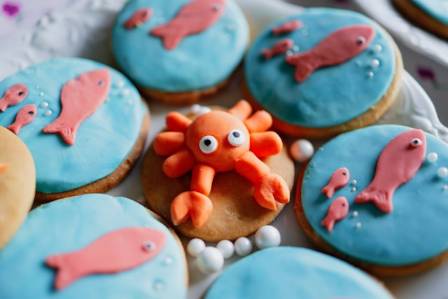
Crafting Nostalgia: A Guide to Homemade Frosted Animal Cookies
Recreating a childhood classic at home is a rewarding way to enjoy a beloved snack while maintaining full control over the ingredients. These miniature sugar cookies, modeled after various animals, are dipped in a smooth, colorful glaze and finished with a generous dusting of nonpareil sprinkles. This homemade version captures the whimsical spirit of the original store-bought treats, making them a perfect addition to celebrations, seasonal gatherings, or simply as a playful afternoon snack.
MID · en

Beachcombing & Seashells
The Turks and Caicos Islands are surrounded by a remarkable marine ecosystem filled with colorful coral reefs, clear waters, and abundant sea life. Because of this rich underwater environment, visitors can discover a wide range of beautiful seashells along the islands’ beaches and shorelines. Many tropical Atlantic shell species found throughout the Caribbean and Gulf of Mexico can also be seen here.
MID · en

How to Draw an Orange Tabby Cat
Learn to draw a charming Orange Tabby Cat with easy-to-follow instructions and a helpful video tutorial. By following these simple steps, anyone—including beginners—can create a cute and accurate orange tabby cat illustration.
MID · en

Different Types of Smart Homes Devices
By 2024, the number of smart homes around the world had reached approximately 411 million, and this figure is expected to grow to nearly 470 million in the coming years. The Philippines is also becoming part of this rapidly developing trend, with the country’s smart home market projected to reach around USD 350 million by 2030.
MID · en

Escape the Urban Hustle: Reconnect with Nature
In the midst of the urban frenzy, there exists an age-old remedy to alleviate stress and anxiety, and rekindle your inner strength: the art of travel. The urban jungle, with its concrete canyons and ceaseless commotion, is a far cry from the serene wonders of the natural world. To immerse yourself in the embrace of tranquility, all you need is a journey that transports you back to the essence of your being.
MID · en
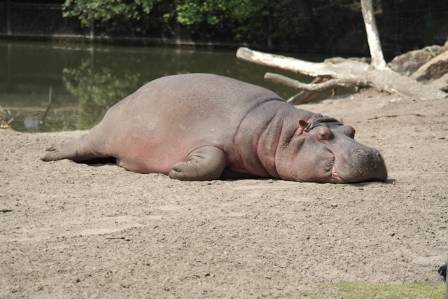
Ten Essential Facts About the Hippopotamus
These massive, heavy-bodied creatures possess an incredibly powerful bite. From their physical stature to their nocturnal habits, the following ten facts offer a deeper look into the lives of these impressive semi-aquatic mammals.