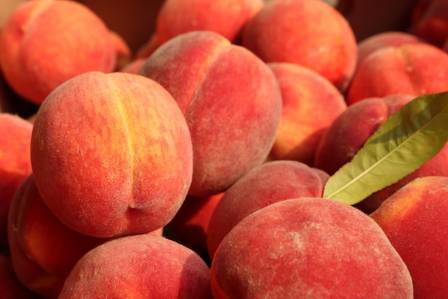
Introduction: Peaches—A Nutritious Gem of the Stone Fruit Family
Peaches (Prunus persica) are much more than a juicy, sweet summer treat—they’re a nutritional powerhouse packed with fiber, vitamins, minerals, and antioxidants that support overall health. Belonging to the stone fruit family (alongside nectarines, plums, apricots, and cherries), and even related to almonds, peaches have been cherished for centuries for their delicate flavor and medicinal properties. Whether enjoyed fresh, grilled, or incorporated into dishes, they offer a range of science-backed benefits, from gut health support to immune system boosting. A single medium peach (about 147 grams) is low in calories (just 67.6 kcal) and free of added sugars, making it an ideal snack for weight management and balanced eating. Below, we explore the six key health benefits of peaches, along with their nutritional profile, potential risks, and tips for enjoying them to the fullest.
1.Boost Gut Health with Fiber and Prebiotics
Peaches are an excellent source of dietary fiber, with one medium fruit providing 2.2 grams—nearly 8% of the Daily Value (DV). Fiber is the indigestible portion of plant foods that plays a critical role in digestive health: it adds bulk to stool, preventing constipation, and promotes regular bowel movements by stimulating intestinal motility. Beyond aiding regularity, fiber also helps stabilize blood sugar levels by slowing the absorption of glucose in the bloodstream, reducing spikes and crashes that can affect energy and mood. What sets peaches apart is their rich prebiotic content—compounds that act as food for the “good” bacteria in your gut, such as Bifidobacteria and Lactobacilli. These beneficial microbes ferment prebiotics, producing short-chain fatty acids (SCFAs) that reduce gut inflammation, enhance immune function, and even support mental health by communicating with the brain via the gut-brain axis. Studies have shown that diets rich in prebiotics may lower the risk of inflammatory bowel diseases (IBD) and improve overall gut barrier function, which helps prevent harmful substances from leaking into the bloodstream.
2.Support Healthy Blood Pressure with Potassium
Potassium is a vital mineral for cardiovascular health, and peaches are a natural source of this electrolyte. One medium peach contains approximately 300 milligrams of potassium—about 6% of the DV—making it a smart choice for managing blood pressure. Here’s how it works: sodium, a common component of processed foods, can cause the body to retain fluid, increasing pressure on the heart and arteries. Potassium acts as a natural diuretic, helping the kidneys flush out excess sodium and water, thereby reducing vascular pressure. By balancing sodium levels, potassium lowers the risk of hypertension (high blood pressure), a major risk factor for heart disease, stroke, and kidney damage. Research published in the Journal of the American Heart Association found that individuals with higher potassium intake had a 24% lower risk of stroke compared to those with low intake. For optimal results, pair peaches with other potassium-rich foods like bananas, spinach, and sweet potatoes, and limit processed foods high in sodium.
3.Promote Radiant Skin with Antioxidants and Hydration
Peaches are a skin-friendly fruit, thanks to their combination of beta-carotene, vitamin C, and high water content. Beta-carotene, a carotenoid that gives peaches their warm yellow-orange hue, is converted into vitamin A in the body—a nutrient essential for skin health. Vitamin A helps protect skin cells from UV damage by neutralizing free radicals, reducing the risk of premature aging, sunburn, and even skin cancer. It also supports skin cell turnover, promoting a smooth, youthful complexion. Vitamin C, another key antioxidant in peaches (providing 7-8% of the DV per fruit), is critical for collagen synthesis—the protein that gives skin its elasticity and firmness. A deficiency in vitamin C can lead to dry, sagging skin and slow wound healing. Additionally, peaches are 88% water, with one medium fruit containing about 130 grams of hydration. Proper skin hydration improves elasticity, reduces dryness and flakiness, and gives skin a dewy, glowing appearance. For an extra skin boost, incorporate peaches into your skincare routine by blending them into a homemade face mask (mixed with yogurt or honey) to soothe and nourish the skin.
4.Protect Eye Health from Age-Related Damage
Peaches are rich in two carotenoids—lutein and zeaxanthin—that are crucial for maintaining eye health, particularly as we age. These compounds accumulate in the retina and lens of the eye, acting as natural “sunglasses” by filtering out harmful blue light and protecting cells from oxidative stress. Studies have shown that lutein and zeaxanthin reduce the risk of age-related macular degeneration (AMD), the leading cause of vision loss in adults over 50, by up to 25%. They also help prevent cataracts, a clouding of the eye’s lens that impairs vision. Peaches also provide vitamin A, which supports healthy vision in low light conditions. While vitamin A deficiency is rare in developed countries, it can lead to xerophthalmia—a condition characterized by dry eyes, corneal damage, and night blindness. By including peaches in your diet, you’re providing your eyes with the nutrients they need to stay healthy and functional for years to come.
5.Combat Oxidative Stress with Powerful Antioxidants
Peaches are loaded with antioxidants, including polyphenols (such as chlorogenic acid, catechin, and quercetin) and carotenoids (beta-carotene, lutein, and zeaxanthin). Antioxidants are compounds that neutralize free radicals—unstable molecules produced by normal bodily processes (like metabolism) and environmental factors (like pollution, UV radiation, and stress). When free radicals outnumber antioxidants, oxidative stress occurs, damaging cells, DNA, and tissues. This damage is linked to premature aging, chronic inflammation, and a higher risk of diseases such as cancer, heart disease, and neurodegenerative disorders like Alzheimer’s. The polyphenols in peaches have been shown to have anti-inflammatory and neuroprotective effects: chlorogenic acid, in particular, may improve brain function by reducing oxidative stress in brain cells and enhancing blood flow to the brain. Additionally, the antioxidants in peaches may help lower the risk of certain cancers, as studies have found that diets rich in stone fruits are associated with a reduced risk of breast, colon, and lung cancer.
6.Strengthen the Immune System with Key Nutrients
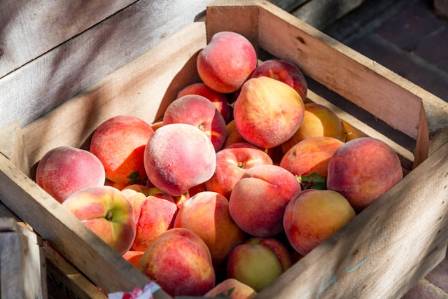
Peaches support immune health in three distinct ways: through vitamin C, vitamin A, and natural antimicrobial properties. A medium peach provides 6 milligrams of vitamin C—7% of the DV for men and 8% for women. Vitamin C is essential for the production and function of immune cells like white blood cells (lymphocytes and phagocytes), which fight off infections caused by bacteria and viruses. It also helps protect immune cells from oxidative damage, ensuring they can perform their duties effectively. Vitamin A, derived from peaches’ beta-carotene, plays a role in maintaining the health of mucosal barriers (in the lungs, gut, and nasal passages)—the body’s first line of defense against pathogens. A strong mucosal barrier prevents germs from entering the bloodstream and causing illness. Additionally, peaches contain natural antimicrobial compounds, such as polyphenols and organic acids, that have been shown to inhibit the growth of harmful bacteria like Escherichia coli (E. coli) and Salmonella, reducing the risk of foodborne illnesses. Together, these nutrients make peaches a valuable addition to a immune-boosting diet, especially during cold and flu season.
Nutritional Profile of a Medium Peach (147 grams)
Peaches are nutrient-dense, meaning they provide a high amount of vitamins and minerals relative to their calorie count. According to the United States Department of Agriculture (USDA), one medium yellow peach contains:
-
Calories: 67.6
-
Fat: 0.4 grams (0.5% DV)
-
Sodium: 19.1 milligrams (0.8% DV)
-
Carbohydrates: 14.8 grams (5.4% DV)
-
Dietary Fiber: 2.2 grams (7.9% DV)
-
Added Sugars: 0 grams (0% DV)
-
Protein: 1.3 grams (2.6% DV)
-
Vitamin C: 6 milligrams (7-8% DV)
-
Vitamin A: 590 International Units (IU) (12% DV)
-
Potassium: 300 milligrams (6% DV)
-
Vitamin E: 0.7 milligrams (4% DV)
-
Folate: 6 micrograms (1.5% DV)
-
Calcium: 6 milligrams (0.6% DV)
-
Iron: 0.3 milligrams (1.7% DV)
This profile highlights peaches’ strengths in fiber, vitamin C, vitamin A, and potassium, with minimal fat and sodium—making them a heart-healthy, weight-friendly choice.
Potential Risks and Precautions
For most people, peaches are safe and beneficial to eat, but there are a few considerations to keep in mind. First, individuals with oral allergy syndrome (OAS)—a condition linked to pollen allergies—may experience allergic reactions to peaches. OAS occurs when the immune system mistakes proteins in fruits (like peaches) for pollen proteins, leading to symptoms such as itching, swelling, or tingling in the mouth, tongue, throat, or face. This is most common in people allergic to grass pollen. If you have OAS, you may be able to tolerate cooked peaches (heating breaks down the problematic proteins) or should avoid them altogether. Second, eating too many peaches too quickly can cause gastrointestinal discomfort, such as bloating, gas, or cramps. This is due to their fiber content—while fiber is beneficial, sudden increases in intake can overwhelm the digestive system. To avoid this, gradually incorporate peaches into your diet and drink plenty of water to help fiber move through the gut. Finally, be mindful of pesticide residues: peaches are often on the Environmental Working Group’s (EWG) “Dirty Dozen” list, so opt for organic peaches when possible, or wash conventionally grown peaches thoroughly with water before eating.
Tips for Enjoying Peaches: From Fresh to Cooked
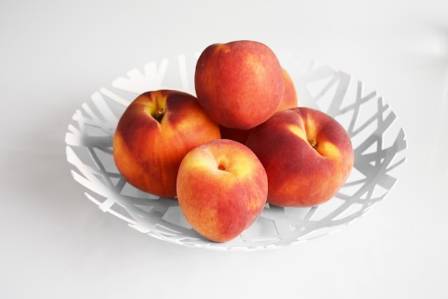
Peaches are incredibly versatile and can be enjoyed in a variety of sweet and savory dishes. Here are some creative ways to incorporate them into your diet:
-
Fresh and Simple: Eat a ripe peach as a mid-morning or afternoon snack—just wash it, bite into it, and enjoy the juicy sweetness.
-
Breakfast Boost: Slice peaches into oatmeal, overnight oats, or Greek yogurt, and top with granola or nuts for added crunch.
-
Savory Salads: Grill peach halves (brush with a little olive oil) and add them to green salads, quinoa salads, or slaws—they pair beautifully with arugula, feta cheese, and balsamic vinegar.
-
Desserts: Use peaches in pies, cobblers, crisps, or crumbles—their natural sweetness reduces the need for added sugar. For a lighter option, blend peaches into sorbet or frozen pops.
-
Sauces and Purées: Purée peaches to make a sweet-tart sauce for pancakes, waffles, or grilled chicken. You can also add peach purée to smoothies for extra flavor and nutrition.
To pick a ripe peach, look for fruit that is fragrant (smell the stem end—ripe peaches have a sweet, floral aroma), slightly soft to the touch (press gently on the fruit’s shoulder), and has a vibrant yellow-orange color (avoid green or rock-hard peaches). Unlike cherries, peaches continue to ripen after picking—place unripe peaches in a paper bag at room temperature for 1-2 days to speed up ripening. Once ripe, store them in the refrigerator for up to 5 days to keep them fresh.