Corridor read
Why does the ocean have waves?
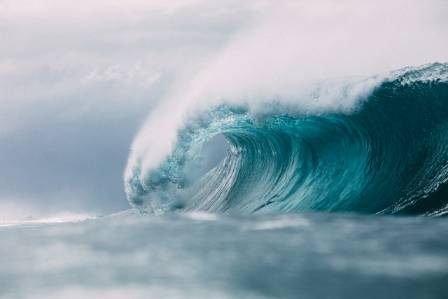
The sea is constantly in motion. Whether you are watching from the shoreline or looking out from a boat, waves are an expected part of the ocean view. Waves form when energy moves through water, making it travel in a circular pattern. However, the water itself does not move across the ocean with the wave. Instead, waves carry energy from one place to another, and when there are no barriers in their path, they can cross an entire ocean basin.
Seraphina Cole
Temple note
Layer tip
The full corridor digest continues below along soft meter ticks.
Path
Temple Corridor
The sea is constantly in motion. Whether you are watching from the shoreline or looking out from a boat, waves are an expected part of the ocean view. Waves form when energy moves through water, making it travel in a circular pattern. However, the water itself does not move across the ocean with the wave. Instead, waves carry energy from one place to another, and when there are no barriers in their path, they can cross an entire ocean basin.
How Wind Creates Ocean Waves
The most common source of waves is wind. Wind-generated waves, also called surface waves, happen because of the interaction between moving air and the upper layer of water. As wind travels across the surface of an ocean or lake, it creates repeated disturbances that build wave crests. These waves appear all around the world, both in deep ocean areas and along coastlines.
Dangerous Waves Caused by Extreme Events
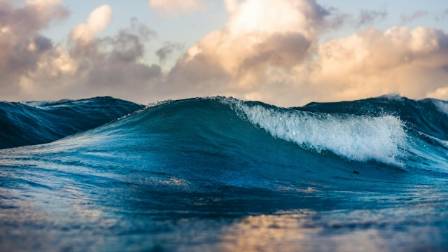
Some of the most powerful waves are produced by intense weather conditions, such as hurricanes. Strong winds and atmospheric pressure from these storms can create storm surges, which are groups of long waves that begin far offshore in deeper waters and become stronger as they approach the coast.
Other destructive waves can result from sudden movements beneath the ocean, including earthquakes, underwater landslides, or volcanic activity. These enormous waves are known as tsunamis. Unlike the crashing waves people usually picture, storm surges and tsunamis behave more like a rapid rise in sea level, allowing water to travel far inland and cause widespread impacts.
Tides and the Influence of the Moon and Sun
The ocean’s movement is also affected by the gravitational forces of the moon and the sun. These forces create tides, sometimes referred to as tidal waves. However, it is incorrect to use the term tidal wave when describing a tsunami.
Tsunamis are not created by tides and have no connection to tidal conditions. They can happen regardless of whether the tide is high or low, as they are caused by sudden underwater events rather than gravitational changes.
More along this corridor
MID · en

10 Best Volleyball Games on PC
Experience the thrill of volleyball from your PC! These games bring the excitement of the court to your screen, offering everything from realistic simulations to fun, arcade-style action.
MID · en

How to Grow & Care for Anthurium
Anthurium, often called flamingo flower or laceleaf, originates from the tropical, humid mountain forests of Central and South America. In its natural environment, this plant can grow directly on the forest floor or live as an epiphyte, using larger trees as a support structure while absorbing moisture and nutrients from its surroundings.
MID · en

7 Expert Tips for Choosing the Best Tea Set for Every Occasion
Tea is more than just a warm drink—it’s a cherished ritual that brings comfort, calm, and connection. Whether you're savoring a solo cup or hosting an elegant gathering, the right tea set can elevate the entire experience. From design and functionality to materials and serving pieces, choosing a tea set tailored to your needs makes all the difference. Here are seven essential tips to help you find the perfect set for any occasion.
MID · en

Smoked Salmon Platter
Smoked salmon is a sophisticated appetizer perfect for special occasions. Whether you’re hosting a festive breakfast or a holiday brunch, this stunning Smoked Salmon Platter is both simple to prepare and impressively delicious.
MID · en
Why does the ocean have waves?
The ocean is constantly in motion. Whether you are standing along the shoreline or watching from a vessel offshore, waves are an ever-present feature of the sea. These moving patterns are created when energy travels through water, causing particles to move in a circular pattern.
MID · en
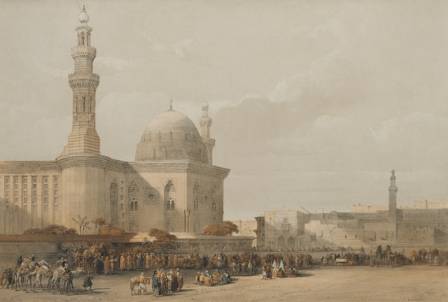
Architectural Illustration Styles That Transcend Time
Architectural illustration has long played a crucial role in design, enabling architects and creative professionals to convey ideas through visually compelling means. From hand-rendered sketches to sophisticated digital visuals, each style of architectural illustration provides a distinct way of representing structure, space, and atmosphere. These approaches not only emphasize technical precision but also allow for artistic interpretation, making them invaluable at various stages of the design process.