Strawberry Nutrition Facts and Health Benefits

Corridor read

Strawberry Nutrition Facts and Health Benefits

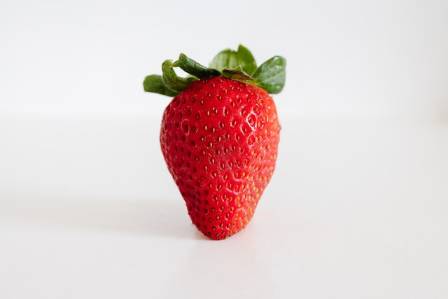
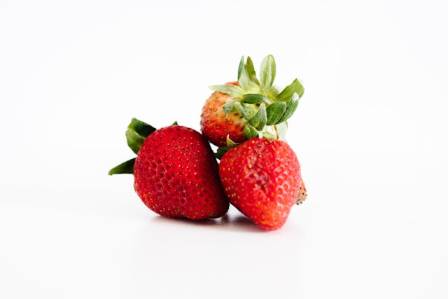
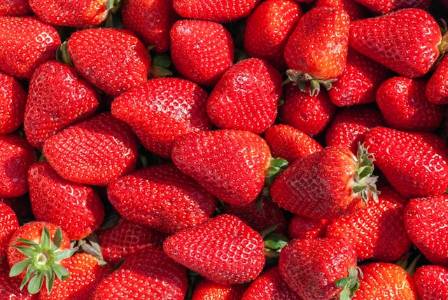
Strawberries are beloved for their sweet aroma, juicy texture, and vibrant red hue, making them one of the most popular fruits worldwide. Beyond their delicious taste, they are nutrient-dense, packed with fiber, vitamins, minerals, and antioxidants—all while being naturally low in calories and fat. Whether enjoyed fresh, frozen, or incorporated into meals and snacks, strawberries seamlessly fit into a balanced, healthy lifestyle, offering a range of wellness benefits supported by nutritional science.

O

Olivia

Temple note

Layer tip

The full corridor digest continues below along soft meter ticks.

Path

Temple Corridor


Introduction

Strawberries are beloved for their sweet aroma, juicy texture, and vibrant red hue, making them one of the most popular fruits worldwide. Beyond their delicious taste, they are nutrient-dense, packed with fiber, vitamins, minerals, and antioxidants—all while being naturally low in calories and fat. Whether enjoyed fresh, frozen, or incorporated into meals and snacks, strawberries seamlessly fit into a balanced, healthy lifestyle, offering a range of wellness benefits supported by nutritional science.

Strawberry Nutrition Facts Overview

A one-cup serving (152g) of halved strawberries provides 49 calories, 1g of protein, 11.7g of carbohydrates (including 3g of fiber and 7.4g of natural sugars), and 0.5g of fat—mostly polyunsaturated fatty acids. According to the USDA, this serving delivers 89.4mg of vitamin C (nearly meeting the daily recommended value), 233mg of potassium, 19.8mg of magnesium, and small amounts of calcium and folate. With a glycemic index of 25 and a glycemic load of 3.2, strawberries have a minimal impact on blood sugar, thanks to their high fiber content that slows carbohydrate digestion.

Key Nutritional Breakdown

Carbohydrates and Blood Sugar Impact
Strawberries contain about 12g of carbohydrates per cup, with the majority coming from natural sugars and 3g of dietary fiber. The fiber not only aids digestion but also stabilizes blood sugar levels, making strawberries a smart choice for those managing glucose intake. Their low glycemic index (GI) and glycemic load (GL) reflect their slow absorption rate, preventing sharp spikes in blood sugar after consumption.
Fats and Protein
Naturally low in fat, strawberries provide just 0.5g per cup, with most being heart-healthy polyunsaturated fats. Protein content is minimal at 1g per serving, so strawberries are not a significant protein source, but they complement protein-rich foods well in balanced meals.
Vitamins and Minerals
Strawberries are an excellent source of vitamin C, a water-soluble antioxidant critical for collagen production and immune function. They also offer notable amounts of potassium (supports heart health and electrolyte balance), folate (essential for cell growth), magnesium (aids muscle and nerve function), and calcium (supports bone health), making them a nutrient-dense addition to any diet.

Health Benefits of Strawberries

Supports Blood Sugar Regulation
As one of the lowest-sugar fruits, strawberries are ideal for diabetes management and prevention. Their high fiber content slows glucose absorption, while bioactive compounds reduce intestinal uptake and transport of glucose, preventing post-meal blood sugar spikes. This dual action helps maintain stable blood sugar levels over time.
Eases Arthritis Symptoms
Strawberries’ anti-inflammatory properties make them beneficial for those with knee osteoarthritis, an inflammatory condition causing pain and reduced mobility. A 12-week study found that consuming a 50-gram beverage of reconstituted freeze-dried strawberries improved quality of life for participants, likely due to their rich concentration of bioactive compounds. Alongside blueberries, strawberries are considered one of the most anti-inflammatory fruits, offering relief for joint inflammation.
Promotes Wound Healing
With 89.4mg of vitamin C per cup—nearly the daily recommended intake for adults—strawberries are a top source of this vital nutrient. Vitamin C is a precursor to collagen, a structural protein that forms the foundation of skin, tendons, and ligaments. Since the body cannot produce or store vitamin C, regular consumption ensures the building blocks needed for repairing injuries and healing wounds.
Enhances Heart Health
Strawberries support cardiovascular wellness through multiple mechanisms: their fiber content helps regulate cholesterol and triglyceride levels, while potassium and flavonoids work to lower high blood pressure. Vitamin C and folate, both present in strawberries, are critical for heart health, reducing oxidative stress and inflammation that contribute to heart disease. Their antioxidant profile further protects blood vessels and improves overall cardiovascular function.
May Reduce Colon Cancer Risk
Low fruit and vegetable intake, combined with high animal fat consumption, is linked to increased colon cancer risk and irritable bowel disease. Studies show that strawberries, rich in anthocyanins (powerful antioxidants), improve markers of oxidative stress, a key factor in cancer development. Their widespread appeal makes promoting strawberry intake a practical, evidence-based recommendation for reducing colon cancer risk.
Strawberry Allergies
Strawberry allergies are rare but possible, and they may involve cross-reactivity with other fruits like grapes and cherries. Common symptoms include hives, throat tightness, and shortness of breath. If you experience adverse reactions after eating strawberries, consult an allergist for formal testing to confirm the allergy and receive guidance on avoidance.

Varieties of Strawberries

Strawberries are categorized into three main types: June-bearing, everbearing, and day-neutral. June-bearing varieties (e.g., Earligrow, Annapolis, Seneca, Jewel, Allstar) produce fruit in spring, offering a concentrated harvest. Everbearing types (e.g., Tristar, Tribute) yield fruit three times a year—spring, summer, and fall—while day-neutral strawberries bear fruit continuously throughout the growing season, thriving in limited space and even as groundcover.

When Strawberries Taste Best

Fresh strawberries are available year-round in grocery stores, but their peak flavor and sweetness occur in spring and summer, when they are harvested fresh from farms. Look for bright red, firm berries with no signs of mold or mushiness. For the freshest, most flavorful option, visit local farmers markets or pick-your-own strawberry patches. Organic strawberries are recommended to avoid pesticides commonly used in conventional farming, while frozen strawberries offer convenience and retained nutrition year-round.

Storage and Food Safety

To maximize freshness, inspect strawberries before storing and remove any damaged or moldy fruit. Store unwashed strawberries in the coldest part of the refrigerator and use them within one week—ideally within a few days. Wash strawberries under running water only when ready to eat or slice, as excess moisture accelerates spoilage. If you have leftover fresh strawberries, freeze them individually on a baking sheet, then transfer to a freezer bag for long-term storage (up to several months).

Ways to Enjoy Strawberries

Strawberries are incredibly versatile: sweeten yogurt, cottage cheese, or hot/cold cereals with fresh slices; blend frozen strawberries into smoothies for a creamy, nutrient boost; chop them into salads, salsas, or side dishes for a burst of flavor; or incorporate them into desserts and baked goods like pies, muffins, and shortcakes. For a simple, satisfying treat, dip strawberries into nut butter or dark chocolate—combining their natural sweetness with protein and healthy fats for a balanced snack.

More along this corridor

MD

MID · en

Why Wild Woodpeckers Love To Hammer On Your House And How You Can Stop Them

Why Wild Woodpeckers Love To Hammer On Your House And How You Can Stop Them

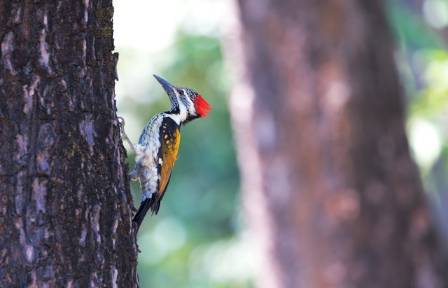
Wild birds often peck at human homes for specific biological reasons. Many homeowners find this behavior highly frustrating. The loud tapping sound usually signals a desire to establish a local territory. Male birds drum rapidly on resonant surfaces. They do this to attract a breeding mate. This loud drumming does not relate to finding food. The noisy behavior typically stops once the spring mating season finishes. Another major reason involves building a comfortable home. The birds frequently want to excavate a deep nest. They also dig safe roosting holes. These nesting cavities feature a very smooth and perfectly rounded appearance. The birds usually construct these large holes between late April and early May. Homeowners who wish to evict these birds must act carefully. They should take action either before or after this specific nesting period. Searching for hidden food also drives this destructive behavior. The birds often peck at wood siding to find tasty insects hiding underneath. These foraging holes look very small. They are also highly irregular. Property owners might need to hire a pest control expert. A professional can solve the core bug issue. The birds typically target the larvae of carpenter bees. They also hunt leafcutter bees and grass bagworms. Some specific bird species hammer on walls to store their winter food. Certain western birds peck hundreds or even thousands of tiny holes. They drill these into large trees and utility poles. Sometimes they even target residential houses. They carefully hide a single fresh nut inside each individual opening.

MD

MID · en

Nutritious Cherry-Blueberry Cheesecake Bars

Nutritious Cherry-Blueberry Cheesecake Bars

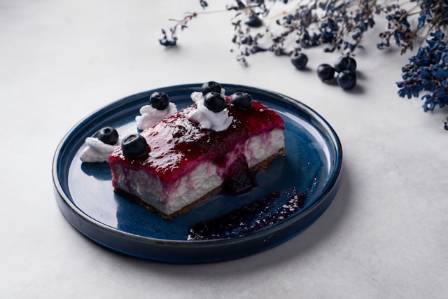
These smooth, protein-rich cheesecake bars feature a vibrant cherry-chia jam swirl, fresh blueberries, and a zesty lemon cookie base—each serving contains fewer than 200 calories!

MD

MID · en

Sydney Harbour – A Sparkling Jewel of Australia

Sydney Harbour – A Sparkling Jewel of Australia

Sydney Harbour is widely regarded as one of the world’s most stunning harbours. Its deep blue waters, iconic landmarks, and lively waterfront precincts make it a natural and cultural gem. Known as Warrane to the Gadigal people of the Eora Nation, this harbour has been central to Sydney’s story for thousands of years.

MD

MID · en

Painting a Dolphin with Primary Colors

Painting a Dolphin with Primary Colors

painting with acrylics is a great way to experiment with color blending, mixing, and creative ideas.

MD

MID · en

The Japanese Sika Deer: Ecology, Culture, and Conservation

The Japanese Sika Deer: Ecology, Culture, and Conservation

The Japanese sika deer (Cervus nippon nippon) stands as one of the most adaptable and biologically significant subspecies of sika deer, native to the forested landscapes of Japan. Renowned for its striking appearance and complex behavioral patterns, this small deer has not only shaped the ecosystems of its native habitat but also left a lasting mark on human culture and global conservation efforts. While its population thrives in Japan, its introduction to other continents has sparked both ecological challenges and innovative conservation solutions, making it a species of great interest to biologists, ecologists, and cultural historians alike.

MD

MID · en

Penjing Bonsai: A Timeless Art of Miniature Landscapes

Penjing Bonsai: A Timeless Art of Miniature Landscapes

Penjing, also known as penzai, is an ancient Chinese art form that transcends mere horticulture, evolving into a profound expression of human reverence for nature through the creation of intricate miniature landscape scenes. Unlike conventional potted plants, penjing is a living artwork where artists and caretakers meticulously prune, shape, and nurture living plants to convey a spectrum of emotions, from serene tranquility to whimsical wonder. These miniature landscapes often incorporate carefully selected natural elements like rocks and moss, as well as tiny figurines such as horses, people, or houses, weaving a dream-like narrative that mirrors the grandeur of the natural world in a confined space. At its core, penjing is not just about replicating nature; it is about embodying the fundamental principles that govern the growth, balance, and harmony of the natural ecosystem. In modern times, indoor penjing and bonsai trees have become beloved additions to homes and offices worldwide, not only for their aesthetic appeal but also for their ability to infuse spaces with a sense of peace and tranquility. Beyond their visual charm, these miniature trees contribute to improving indoor air quality, filtering out toxins and releasing fresh oxygen. With proper care, patience, and attention to their unique needs, an indoor penjing can thrive for decades, even centuries, becoming a cherished legacy that brings joy and beauty to generations of enthusiasts.