
Corridor read
The Hidden Health Benefits of Golf
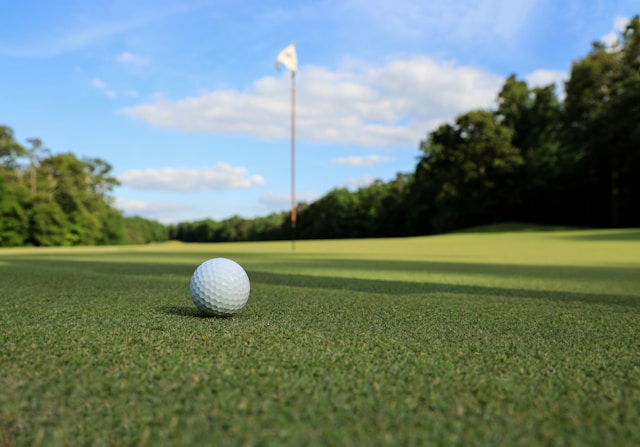
For many people, golf is not simply a recreational activity—it becomes a lifestyle. Whether someone plays casually on weekends, competes in club tournaments, or just enjoys time outdoors on the fairway, golf provides far more than the satisfaction of hitting a clean shot. Modern research indicates that it supports physical fitness, mental alertness, and social interaction, all of which contribute to healthier and longer lives (Sorbie et al., 2022).
Chloe Winters
Temple note
Layer tip
The full corridor digest continues below along soft meter ticks.
Path
Temple Corridor
For many people, golf is not simply a recreational activity—it becomes a lifestyle. Whether someone plays casually on weekends, competes in club tournaments, or just enjoys time outdoors on the fairway, golf provides far more than the satisfaction of hitting a clean shot. Modern research indicates that it supports physical fitness, mental alertness, and social interaction, all of which contribute to healthier and longer lives (Sorbie et al., 2022).
With populations aging worldwide, activities that support both longevity and well-being are increasingly important. Golf stands out because it blends movement, thinking, and social connection in a way that naturally supports healthy aging and overall life quality (Sorbie et al., 2022).
At first glance, golf may not appear physically demanding, but in practice it involves significant movement. A typical round often requires walking four to six miles, which aligns with moderate-intensity aerobic exercise guidelines from global health organizations (Sorbie et al., 2022).
Research shows that consistent walking helps lower the risk of cardiovascular disease, supports healthier blood pressure levels, and improves heart function overall (Sorbie et al., 2022). When combined with the rotational motion of swinging a club, golf activates multiple muscle groups, especially in the legs, core, and upper body.
Beyond endurance and strength, golf also enhances balance and coordination. A controlled swing requires stability and body awareness, which can reduce the likelihood of falls later in life (Kanwar et al., 2021; Wilson et al., 2023). Studies suggest that older adults who play golf often demonstrate better mobility and balance compared to those who do not, supporting independence and daily function (Wilson et al., 2023).
Age-related concerns such as muscle loss, frailty, and decreased stability are common in older adults. Golf can help counter these issues. Evidence shows that regular players often maintain stronger lower-body muscles and better overall coordination than non-players (Wilson et al., 2023).
Because it is low impact, golf is also gentle on the joints while still encouraging bone strength and muscle maintenance (Sorbie et al., 2022). This makes it suitable for long-term participation compared to higher-impact sports that may increase wear and tear.
Structured golf-based fitness programs further strengthen these benefits. For example, targeted training over a 12-week period has been shown to significantly improve lower-body strength and balance control, both of which are important for fall prevention in older adults (Du Bois et al., 2021).

In addition to physical improvements, golf also provides meaningful cognitive stimulation. Each shot requires planning, judgment, and focus, all of which keep the brain active and engaged (Shimada et al., 2018).
Players constantly evaluate variables such as distance, wind, terrain, and equipment choice. This ongoing decision-making process supports mental sharpness and may help slow age-related cognitive decline (Stroehlein et al., 2021; Kettinen et al., 2023).
Because it combines light exercise with continuous mental engagement, golf is often considered especially beneficial for maintaining brain health over time (Shimada et al., 2018).
Another major advantage of golf is its strong social element. Unlike many forms of exercise that are done alone, golf naturally encourages interaction and communication.
Time spent on the course often builds friendships and strengthens community connections, which contributes positively to emotional well-being and life satisfaction (Sorbie et al., 2020). For many older adults, especially retirees, golf becomes an important way to stay socially active and connected with others (Kim et al., 2023; Murray et al., 2017).
Social engagement is also linked to better mental health outcomes and higher consistency in maintaining active lifestyles, making golf beneficial beyond just physical movement (Kim et al., 2023).
As awareness of these benefits grows, more golfers are incorporating structured fitness routines into their preparation. These programs often focus on flexibility, core strength, balance, and mobility—key elements that support both performance and general health (Du Bois et al., 2021).
For older individuals in particular, these exercises can be adjusted to match physical ability while still improving strength and reducing injury risk. Training the hips, core, and rotational muscles helps maintain a strong and efficient swing while supporting everyday movement (Sorbie et al., 2022).
When combined with regular play, such training enhances resilience against age-related decline and improves overall physical capability.
Overall, the evidence consistently shows that golf is much more than a casual pastime. It functions as a comprehensive health activity that supports the body, sharpens the mind, and strengthens social connections.
Whether the goal is improved fitness, better mobility, sharper thinking, or simply a more enjoyable and active lifestyle, golf offers a well-rounded solution.
So when stepping onto the tee box, it is worth remembering that each round is not only recreation—it is also a meaningful investment in long-term health and well-being.
More along this corridor
MID · en
Unlocking the Goodness: Exploring 9 Whole Grains for Optimal Health
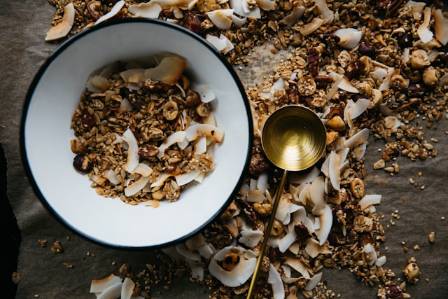
Ensuring your diet embraces the richness of whole grains is not just a dietary choice; it's a health imperative. According to MyPlate, the USDA's latest nutritional guide, adults should aim for a minimum of six 1-ounce servings of grains daily, with at least half of these being whole grains.
MID · en
Black Forest Cake Made Easy
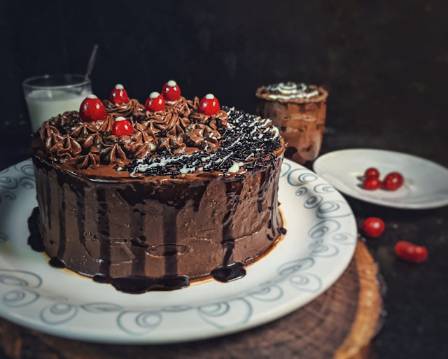
At the end of a long, busy day, there’s something special about stepping into the kitchen and creating a little sweetness. When you’re craving comfort or want to add a touch of joy to an ordinary evening, this Black Forest Cake is a perfect choice. Rich chocolate layers, juicy cherries, and soft whipped cream come together to turn simple moments into something memorable.
MID · en
Pallas's cat: One of the world's oldest felines
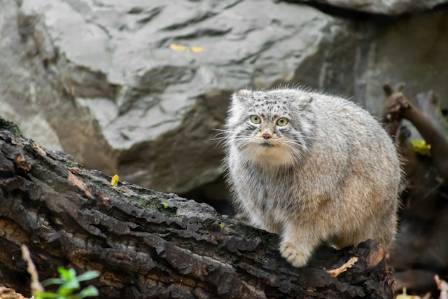
Pallas's cat is a small wild feline found across Central Asia. Its short legs and extremely thick coat give it a much larger and heavier appearance than its actual size suggests. However, the unusual yelping sounds it makes when frightened or stressed can quickly reveal just how small this cat really is.
MID · en

Essential Egg Dishes: Creative Recipes for Every Meal
Eggs are a dietary staple that can be enjoyed daily for breakfast, lunch, or dinner. While they are incredibly versatile, mastering the art of cooking them perfectly can be a challenge. If you are looking to expand your repertoire beyond basic fried eggs, these inventive and reliable recipes will transform a simple carton of eggs into flavorful, satisfying meals.
MID · en
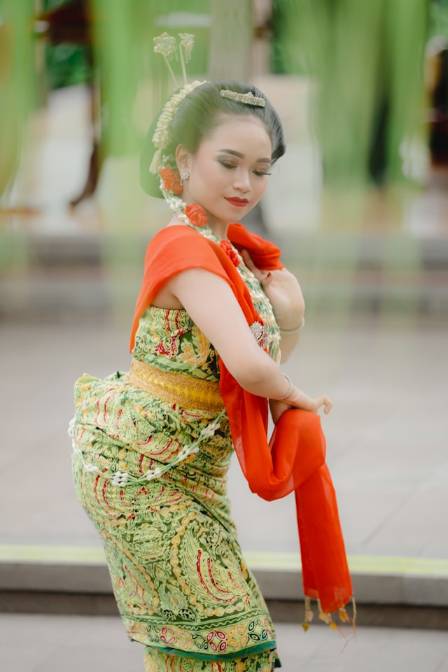
Traditional Thai Attire: A Guide to Styles, Etiquette, and Acquisition
The vibrant spectrum of Thai traditional clothing serves as a profound window into the nation's historical soul and artistic legacy. For travelers exploring the kingdom, understanding the nuances of these garments—from their complex weaves to their cultural symbolism—offers a more intimate connection to the local way of life. These outfits are far more than mere historical relics; they are living expressions of Thai identity that continue to grace modern ceremonies and festivals.
MID · en
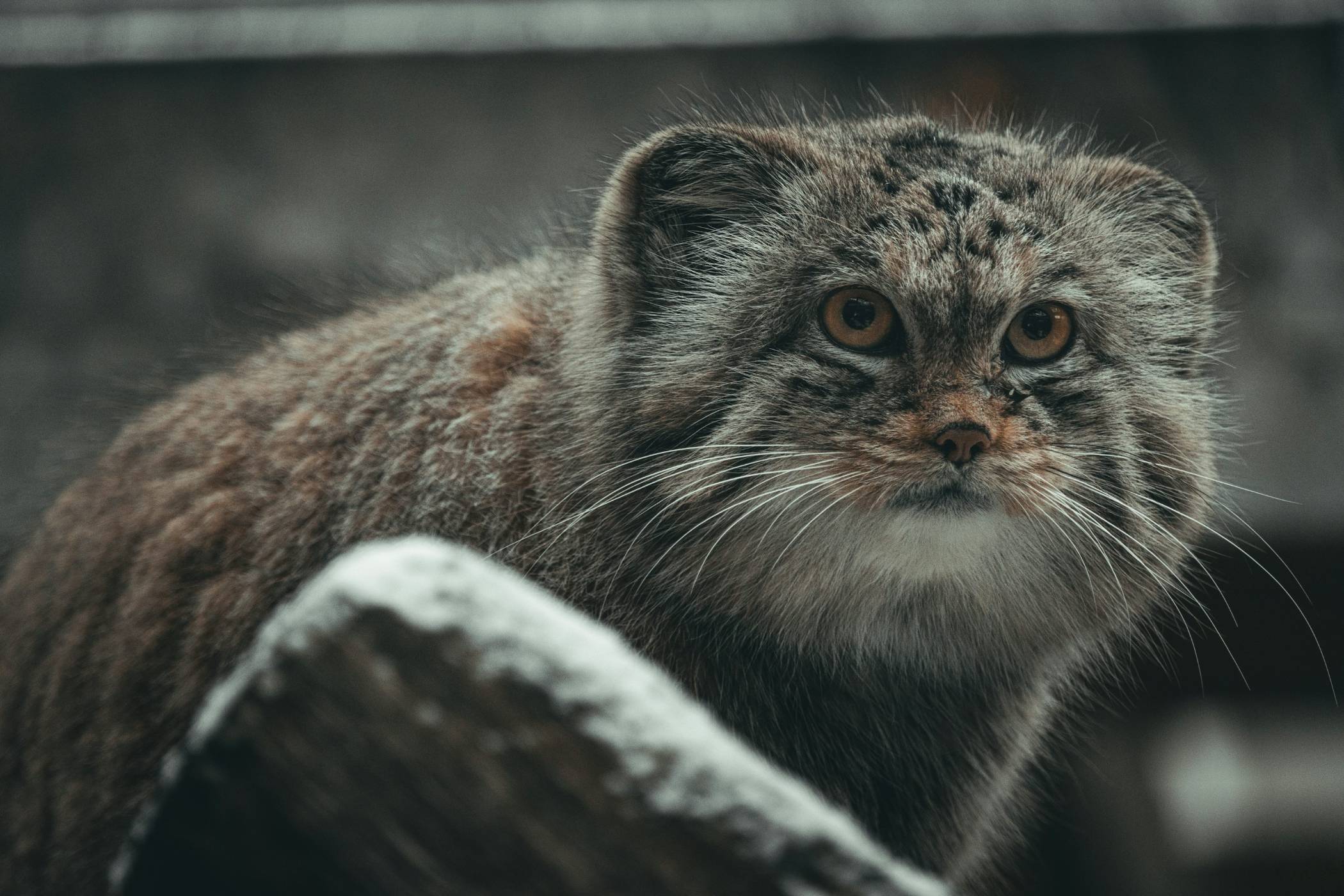
Berlin Zoo Welcomes Four Grumpy Pallas's Cat Kittens
A female Pallas's cat at Tierpark Berlin has given birth to four kittens — the first born at the zoo in 18 years and the first in its new Himalayan area. Although the species has become an internet sensation thanks to its grumpy-looking memes, wild populations are steadily declining due to habitat loss, poaching, and human encroachment, prompting conservation groups like PICA to push for field research and community-based protection measures.