The World’s Largest Football Stadiums by Seating Capacity

Corridor read

The World’s Largest Football Stadiums by Seating Capacity

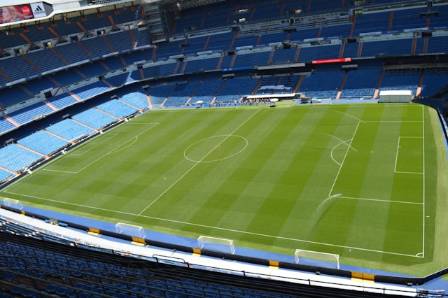
Before modern stadium regulations introduced all-seater policies, football venues around the globe often held staggering numbers of standing spectators. One of the most remarkable instances was the 1950 FIFA World Cup final between Brazil and Uruguay, when nearly 200,000 fans packed into Rio de Janeiro’s iconic Estadio Maracanã. Though its current capacity is limited to 78,838 seated attendees, it once stood as a symbol of football’s global passion. Today, however, numerous other stadiums surpass it in terms of seating capacity. Here’s a look at the ten largest football stadiums in the world today — and some of them might surprise you.

G

Gavin Holloway

Temple note

Layer tip

The full corridor digest continues below along soft meter ticks.

Path

Temple Corridor

Before modern stadium regulations introduced all-seater policies, football venues around the globe often held staggering numbers of standing spectators. One of the most remarkable instances was the 1950 FIFA World Cup final between Brazil and Uruguay, when nearly 200,000 fans packed into Rio de Janeiro’s iconic Estadio Maracanã. Though its current capacity is limited to 78,838 seated attendees, it once stood as a symbol of football’s global passion. Today, however, numerous other stadiums surpass it in terms of seating capacity. Here’s a look at the ten largest football stadiums in the world today — and some of them might surprise you.

Salt Lake Stadium, India – 85,000

Located in Kolkata, Salt Lake Stadium was inaugurated in 1984. Before new safety standards reduced capacities, it welcomed a record crowd of over 131,000 during a domestic semifinal in 1997. Today, it can accommodate 85,000 spectators and serves as a hub for Indian football, hosting national team fixtures and club matches for ATK Mohun Bagan, East Bengal, and Mohammedan SC.

Borg El-Arab Stadium, Egypt – 86,000

This massive arena, situated near Alexandria, is Egypt’s second-largest football venue and often hosts the national team’s key fixtures. Designed with a running track and constructed by the military, the stadium has seen memorable moments—like the World Cup qualifying win over Congo in 2017, which secured Egypt’s return to the tournament after nearly three decades.

Bukit Jalil National Stadium, Malaysia – 87,471

Located in Kuala Lumpur, this modern multi-purpose facility is the largest in Southeast Asia. With a capacity just under 88,000, it has staged major regional sports events, including the Commonwealth Games and the Southeast Asian Games, in addition to football matches.

Estadio Azteca, Mexico – 87,525

One of the sport’s most historically rich arenas, the Estadio Azteca in Mexico City has twice been the stage for FIFA World Cup finals — in 1970 and 1986. Legendary matches include Argentina vs. England in 1986, when Diego Maradona scored both the infamous "Hand of God" goal and the "Goal of the Century." The stadium has also hosted Olympic and Women’s World Cup events.

Wembley Stadium, England – 90,000

Built on the site of the original Wembley, which opened in 1923, the new version was completed in 2007 and features a fully roofed seating capacity of 90,000. It serves as the main venue for England’s national team and is the setting for several major domestic cup finals. Over the years, it has also been chosen for top international tournaments like the UEFA Champions League and the European Championship final.

Rose Bowl Stadium, United States – 92,542

Though best known for American football, the Rose Bowl in Pasadena, California, has hosted significant soccer events, most notably the 1994 FIFA World Cup final between Brazil and Italy. The venue’s size and location have made it a key stadium for high-profile international matches and other large-scale events.

FNB Stadium, South Africa – 94,736

Also known as Soccer City, this Johannesburg-based arena is Africa’s largest football stadium. It gained international recognition during the 2010 FIFA World Cup, particularly for hosting the final in which Spain defeated the Netherlands. Today, it remains the primary home for the South African national team and local club Kaizer Chiefs.

Camp Nou, Spain – 99,354

Barcelona’s legendary stadium is the biggest in Europe. With a history stretching back to 1957, Camp Nou has been the site of countless major matches, including Champions League finals and World Cup fixtures. The club has announced a redevelopment plan aiming to increase capacity by over 10,000 seats in the near future.

Melbourne Cricket Ground, Australia – 100,024

Though primarily associated with cricket and Australian Rules football, the MCG is also a venue for international soccer matches and Olympic events. The stadium, located in Melbourne, has undergone several renovations, the latest of which in 2006 pushed its capacity just over the 100,000 mark.

Rungrado 1st of May Stadium, North Korea – 114,000

Topping the list is this lesser-known stadium in Pyongyang. Completed in 1989, it boasts a capacity of 114,000, making it the largest football stadium by seating in the world. While it hosts the North Korean national football team on occasion, it is also used for various large-scale events such as artistic performances, parades, and athletic competitions

Final Thoughts

From historic landmarks to modern engineering marvels, these stadiums represent not only architectural grandeur but also the cultural and emotional weight of the sport. Each one is a monument to the collective joy, drama, and passion that football continues to inspire around the globe.

More along this corridor

MD

MID · en

Amazing Staircases Found Indoors

Amazing Staircases Found Indoors

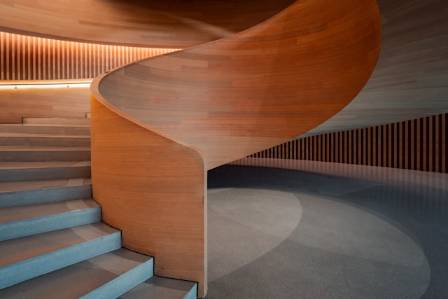
Most staircases are designed simply to connect one floor to another, but every now and then, a staircase comes along that is so extraordinary it becomes a work of art in its own right. Some spectacular staircases can make us feel as though we have stepped into another era, combining architecture, craftsmanship, and dramatic design in unforgettable ways. While remarkable staircases can be difficult to discover, these ten examples are among the most breathtaking in the world.

MD

MID · en

Tigers: The Majestic Giants of the Felidae Family

Tigers: The Majestic Giants of the Felidae Family

Tigers, the largest members of the feline family, are instantly recognizable due to their remarkable orange and black stripes. As apex predators, they possess the formidable ability to prey on animals of varying sizes, from tiny rodents to vulnerable elephant calves. However, in recent decades, the encroachment of human activities such as poaching has pushed these magnificent creatures to the brink of existence. Their once-vast territory in Asia has dwindled to a mere fraction of its former expanse, and all remaining tiger populations teeter on the precipice of extinction.

MD

MID · en

Extraordinary Insights into Mars: Surprising Realities of the Red Planet

Extraordinary Insights into Mars: Surprising Realities of the Red Planet

You might believe you are familiar with the fourth planet from the Sun, but this celestial neighbor holds many secrets. Beyond its iconic rust-colored surface lies a world of extreme geography and fascinating physical properties that challenge our understanding of planetary science.

MD

MID · en

10 Remarkable Types of Rainbows You’ve Probably Never Seen

10 Remarkable Types of Rainbows You’ve Probably Never Seen

Most people believe they’ve experienced the full extent of rainbow beauty. While the classic rainbow is always a breathtaking sight, there’s a hidden world of lesser-known variations that can be even more captivating.

MD

MID · en

8 Health Benefits of Mint

8 Health Benefits of Mint

Mint is a fragrant herb loved for its refreshing flavor and cooling sensation. It is widely used in cooking, drinks, and traditional remedies. Besides adding a pleasant taste to foods and beverages, mint may also provide several health advantages, including supporting digestion, enhancing mental performance, and helping reduce unpleasant breath.

MD

MID · en

Tracing the Chronicles of the Telescope: A Voyage through Space and Time

Tracing the Chronicles of the Telescope: A Voyage through Space and Time

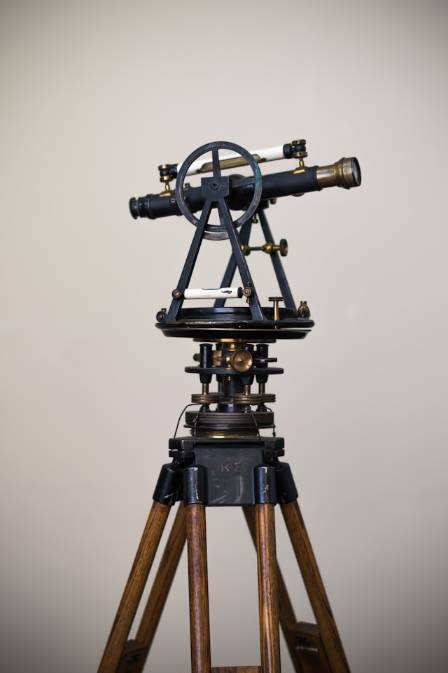
The Telescope has earned its place as an invaluable scientific instrument, profoundly altering our understanding of the world and the cosmos.