Corridor read
Thirteen Architectural Wonders Every Student Should Know
Architecture has always been a reflection of culture, history, and innovation, telling stories through stone, glass, and steel. Across the globe, certain structures stand out not only for their breathtaking design but also for their cultural significance and technological achievements. For students of architecture and enthusiasts alike, these extraordinary buildings provide invaluable lessons in creativity, engineering, and human expression. Below is an exploration of thirteen of the most remarkable architectural landmarks worldwide, each one offering unique insights and inspiration.
Audrey Foster
Temple note
Layer tip
The full corridor digest continues below along soft meter ticks.
Path
Temple Corridor
Architecture has always been a reflection of culture, history, and innovation, telling stories through stone, glass, and steel. Across the globe, certain structures stand out not only for their breathtaking design but also for their cultural significance and technological achievements. For students of architecture and enthusiasts alike, these extraordinary buildings provide invaluable lessons in creativity, engineering, and human expression. Below is an exploration of thirteen of the most remarkable architectural landmarks worldwide, each one offering unique insights and inspiration.
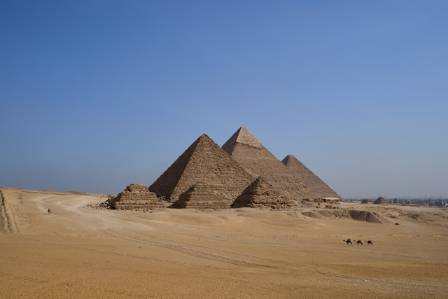
The Great Pyramid of Giza: Ancient Engineering Marvel
As one of the oldest and most enduring wonders of the ancient world, the Great Pyramid of Giza symbolizes the extraordinary ingenuity of early civilizations. Built over 4,500 years ago in Egypt, it was originally constructed as a tomb for Pharaoh Khufu. The pyramid’s precise alignment with the cardinal points and its massive limestone blocks, some weighing several tons, showcase the advanced knowledge of mathematics and engineering possessed by its builders. It remains a testament to human perseverance and architectural mastery that has fascinated scholars and travelers for centuries.
The Parthenon: The Pinnacle of Classical Greek Architecture
Located on the Acropolis of Athens, the Parthenon represents the height of classical Greek architecture and art. Dedicated to the goddess Athena, this temple embodies the principles of symmetry, proportion, and harmony central to Greek design philosophy. Constructed in the 5th century BCE, the Parthenon features a colonnade of Doric columns and intricate sculptural details that celebrate mythology and civic pride. Its influence is evident in countless neoclassical buildings around the world, making it a vital study subject for understanding architectural heritage.
Taj Mahal: A Monument of Eternal Love and Artistic Brilliance
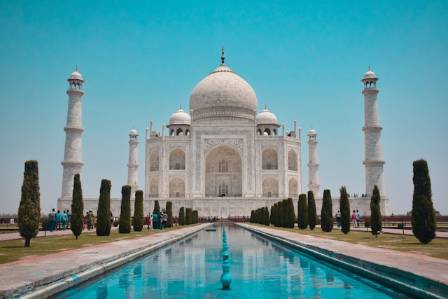
Situated in Agra, India, the Taj Mahal is renowned globally for its exquisite beauty and romantic history. Commissioned by Emperor Shah Jahan in memory of his beloved wife Mumtaz Mahal, this mausoleum is a masterpiece of Mughal architecture, blending Persian, Islamic, and Indian styles. The white marble facade, intricate inlay work with semi-precious stones, and perfectly symmetrical gardens reflect a harmonious balance between nature and structure. The Taj Mahal not only impresses with its aesthetics but also symbolizes enduring love and artistic dedication.
Eiffel Tower: A Symbol of Modern Engineering and French Elegance
Rising above Paris, the Eiffel Tower is one of the most instantly recognizable structures worldwide and a landmark of modern engineering. Designed by Gustave Eiffel for the 1889 World’s Fair, it was initially met with skepticism but soon became a beloved icon. Made entirely of iron lattice, the tower demonstrates innovative use of materials and structural principles of the Industrial Revolution. Beyond its function as a radio tower and tourist attraction, the Eiffel Tower represents the blend of art, science, and cultural identity.
Sydney Opera House: An Expression of Sculptural Modernism
The Sydney Opera House in Australia stands as a testament to visionary architecture and structural daring. Designed by Danish architect Jørn Utzon, the building’s unique shell-like roof forms appear to float above the harbor, creating a dynamic silhouette that harmonizes with the natural surroundings. Completed in 1973, the Opera House uses precast concrete panels and innovative engineering to achieve its distinctive form. It has become a cultural hub and an emblem of creativity, inspiring architects and artists worldwide.
Burj Khalifa: The Pinnacle of Skyscraper Technology
Dominating the Dubai skyline, the Burj Khalifa holds the record as the tallest building on the planet. Its design draws inspiration from the geometry of Islamic architecture and desert flowers, resulting in a tapering, spiraled form that reduces wind forces. The tower reaches a staggering height of over 828 meters (2,717 feet) and incorporates cutting-edge construction materials and techniques. Its mixed-use spaces include offices, residences, and observation decks, illustrating how modern skyscrapers redefine urban living and engineering limits.
Colosseum: The Grand Arena of Ancient Rome
The Roman Colosseum, also known as the Flavian Amphitheatre, remains a symbol of ancient architectural innovation and cultural spectacle. Built nearly 2,000 years ago, it could hold tens of thousands of spectators who gathered to watch gladiatorial games and public events. The elliptical structure combines concrete and stone, featuring complex systems of vaults and arches that distribute weight and allow for vast interior spaces. Studying the Colosseum offers insight into Roman engineering, social history, and the role of architecture in public life.
Sagrada Família: Gaudí’s Unfinished Masterpiece
Located in Barcelona, the Sagrada Família is a basilica unlike any other, conceived by visionary architect Antoni Gaudí. Its organic shapes and intricate facades merge Gothic and Art Nouveau elements with natural motifs. Construction began in 1882 and continues today, relying on advanced modeling techniques and passionate craftsmanship. The church’s design reflects Gaudí’s deep religious faith and his commitment to harmonizing architecture with the environment. It is both a spiritual monument and a demonstration of innovative architectural thought.
Fallingwater: Integration of Architecture with Nature
Frank Lloyd Wright’s Fallingwater in Pennsylvania exemplifies the philosophy of organic architecture, where buildings coexist harmoniously with their natural surroundings. Designed in 1935, this residence dramatically cantilevers over a waterfall, using local stone and materials to blend with the forest landscape. Wright’s emphasis on open floor plans, natural light, and fluid indoor-outdoor transitions has influenced residential design profoundly. Fallingwater is a case study in respecting nature while creating bold architectural statements.
Sydney Harbour Bridge: Engineering Feat and Urban Icon
Another landmark in Sydney, the Harbour Bridge is a massive steel arch bridge connecting the city’s central business district with the North Shore. Completed in 1932, it was one of the longest steel arch bridges in the world at the time and remains a critical transport link. Its imposing structure reflects early 20th-century industrial capabilities and urban planning ambitions. The bridge’s design and construction highlight advances in materials science and public infrastructure development, making it essential for understanding modern civil engineering.
The Louvre Pyramid: A Contemporary Contrast
At the heart of Paris, the Louvre Pyramid creates a striking juxtaposition between old and new architecture. Designed by I.M. Pei and inaugurated in 1989, this glass and metal structure serves as the main entrance to the historic museum. Its transparent, geometric form introduces light and openness while respecting the classical surroundings. The pyramid symbolizes innovation in museum design and the dialogue between tradition and modernity, attracting millions of visitors annually.
Neuschwanstein Castle: Fairy Tale Inspiration in Stone
Nestled in the Bavarian Alps, Neuschwanstein Castle epitomizes romanticism and fantasy in architectural form. Commissioned by King Ludwig II in the 19th century, it features turrets, spires, and lavish interiors inspired by medieval legends and operas. Though built relatively recently, the castle embodies the idealized visions of a medieval fortress rather than authentic defensive architecture. Its picturesque setting and storybook design have influenced countless films, theme parks, and cultural imaginations worldwide.
The Guggenheim Museum Bilbao: Sculptural Innovation and Urban Renewal
The Guggenheim Museum in Bilbao, Spain, designed by Frank Gehry, is a groundbreaking example of contemporary architecture’s power to transform cities. Completed in 1997, its flowing titanium-clad forms defy traditional geometry and create a dynamic interplay of light and shadow. The museum revitalized Bilbao’s economy and identity, demonstrating how innovative design can stimulate cultural tourism and urban regeneration. Gehry’s work challenges conventions and expands the possibilities of architectural expression.
These thirteen architectural landmarks each tell a unique story about human creativity, cultural identity, and technological progress. Exploring their designs offers students valuable lessons in how architecture shapes and reflects society, inspiring future innovations in the built environment.
More along this corridor
MID · en

The Ultimate Pancake Showdown: Testing 6 Celebrity Recipes to Find the Best
Pancakes are the definitive breakfast staple. They are straightforward enough for a Tuesday morning, yet special enough to anchor a holiday brunch. While supermarket mixes and frozen options exist, they pale in comparison to a fresh pancake boasting crispy edges and a tender center, served straight from the griddle.
MID · en

Homestyle Potato Chips
Making potato chips from scratch is simple, enjoyable, and incredibly rewarding. Once you taste these freshly fried chips, it's hard to go back to store-bought versions. A food processor equipped with a slicing blade can make preparation much easier, although a mandoline slicer works equally well for achieving thin, even slices. Feel free to adjust the thickness to suit your preference—some people enjoy extra-thin chips, while others prefer a slightly thicker crunch.
MID · en

Unlocking a World of Vibrant Flavors through Uncommon Produce
Expanding your culinary horizons by introducing unique produce into your regular diet can be a thrilling sensory experience. Moving past standard supermarket staples reveals an extraordinary world of global cultivation, where nature offers surprising textures, unexpected health properties, and magnificent flavors waiting to be explored.
MID · en

Ballerina Orchids: Characteristics And Cultivation
The Oncidium orchid group includes more than 400 recognized species and is highly valued by orchid collectors for its graceful flowers and distinctive appearance. Commonly nicknamed the “dancing lady orchid” because of its flower shape, this genus is admired for its beauty, diversity, and ability to adapt to a range of growing conditions.
MID · en

7 Expert Tips for Choosing the Best Tea Set for Every Occasion
Tea is more than just a warm drink—it’s a cherished ritual that brings comfort, calm, and connection. Whether you're savoring a solo cup or hosting an elegant gathering, the right tea set can elevate the entire experience. From design and functionality to materials and serving pieces, choosing a tea set tailored to your needs makes all the difference. Here are seven essential tips to help you find the perfect set for any occasion.
MID · en

Five Renowned Varieties of Olive Oil
While many olive oil containers do not specify the fruit used during production, some manufacturers provide this information. Identifying the primary types of olives utilized in oil extraction is a vital step toward selecting the perfect product for specific culinary applications and personal preferences.